How They Work
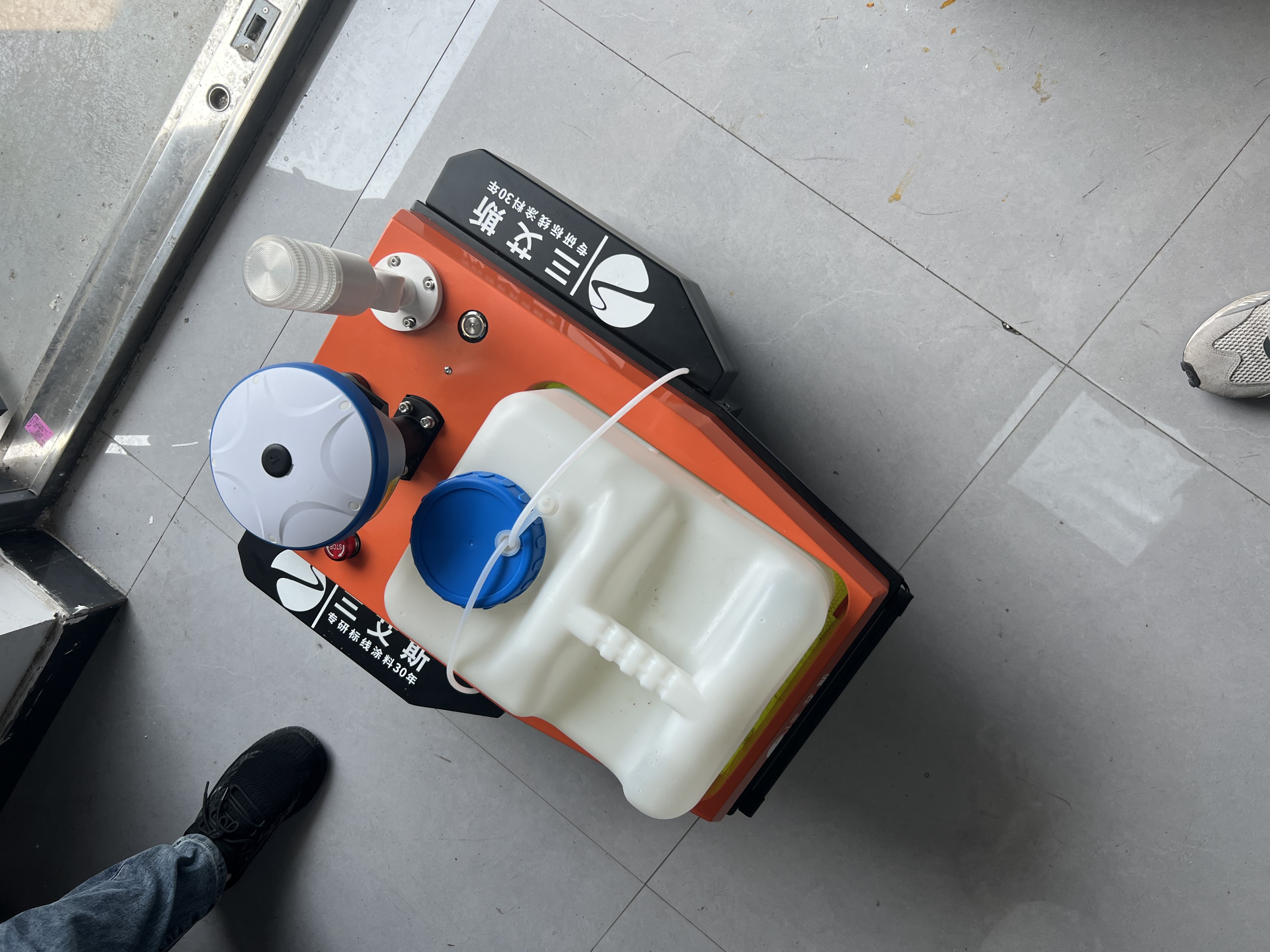
Modern road marking robots typically integrate several core technologies:
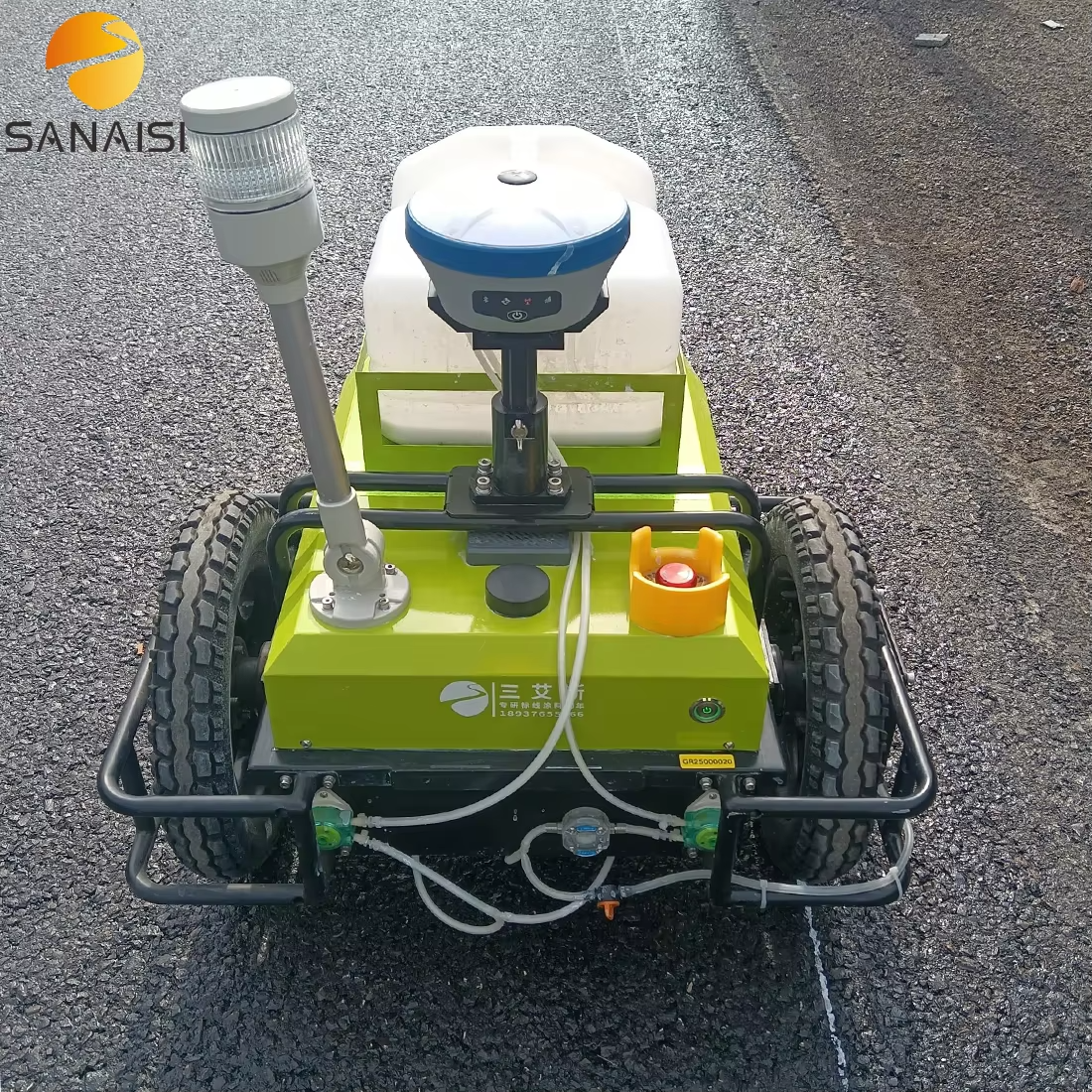
High-Precision Positioning: Using GNSS (Global Navigation Satellite Systems) such as BeiDou, RTK-GNSS for centimeter-level accuracy, and LiDAR sensors to map the environment in real-time. Practical applications have demonstrated marking errors of less than 1.5 cm on long curved roads and 2 cm on right-angle curves.
Machine Vision & AI: Cameras and computer vision algorithms detect existing lane lines, obstacles, and road conditions, enabling the robot to navigate autonomously and adjust its path as needed.
Intelligent Path Planning: The robot's control system calculates optimal spraying paths, automatically handling straight lines, curves, dashed lines, arrows, and complex symbols.
Automated Spray Control: The spraying system precisely controls coating thickness, bead dispersion, and paint flow—ensuring consistent, high-quality results every time.
Key Benefits:
Seamless Integration: Robots pre-map terrain for road marking machines, ensuring optimal line placement and reducing material waste by 30%.
Non-Stop Efficiency: Unlike manual crews, robots work overnight, accelerating highway marking projects by 40%.
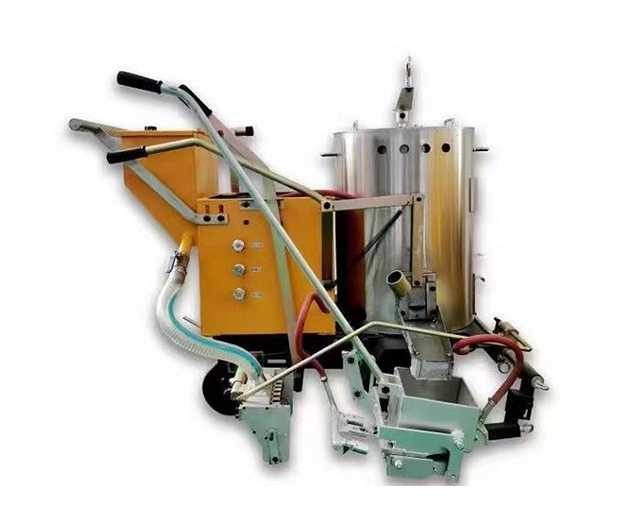
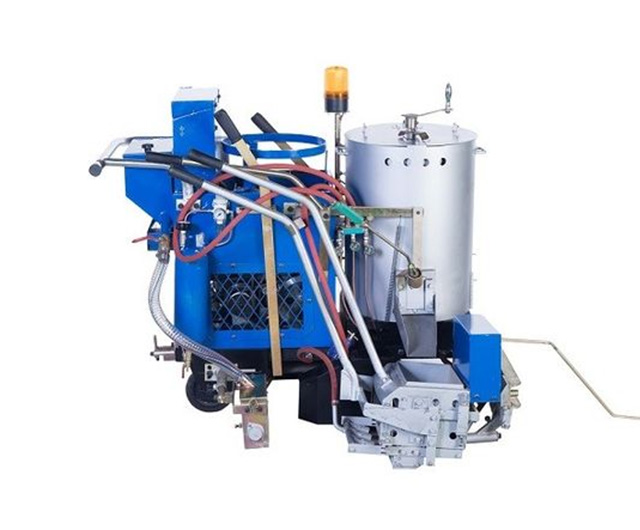
Cost Savings: A single robot replaces 3 surveyors, slashing labor expenses while maintaining accuracy for thermoplastic road marking machines.
Automatic road marking spraying robots are not a futuristic concept—they are here now, transforming infrastructure projects around the world.
The benefits are undeniable: up to 40% faster project completion, 3x better precision, 50% labor cost savings, 20% less material waste, and, most importantly, workers who go home safely at the end of the day.
For transportation agencies, contractors, and road crews, the question is no longer "if" to adopt this technology, but "when."
Ready to bring automatic road marking spraying technology to your next project?

.jpg)
.jpg)
.jpg)