How Two-Component Road Marking Paint Enhances Road Safety
Clear and durable road markings are essential for safe driving. Among the various materials used today, two-component road marking paint plays an increasingly important role in improving road safety thanks to its performance and reliability.
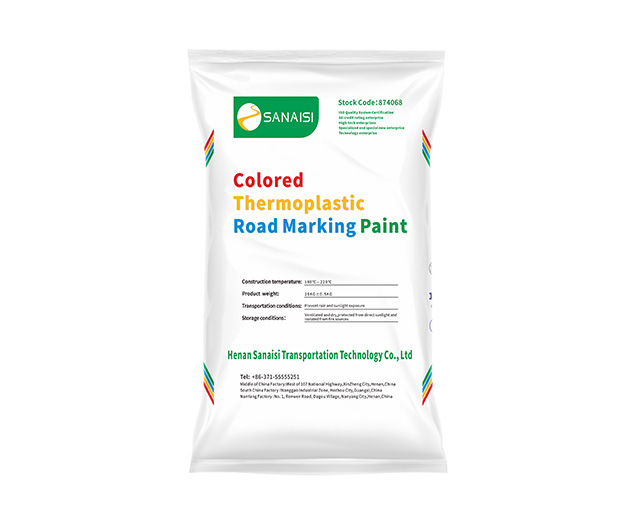
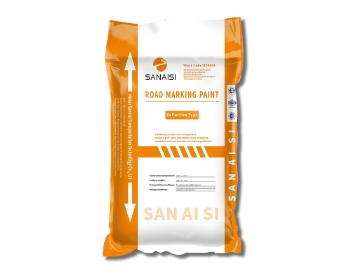
Two-component road marking paint is made by mixing a base material with a hardener before application. Once applied, a chemical reaction occurs, forming a strong and wear-resistant coating. Compared with traditional single-component paints, this type of paint offers much better durability, even under heavy traffic and harsh weather conditions.
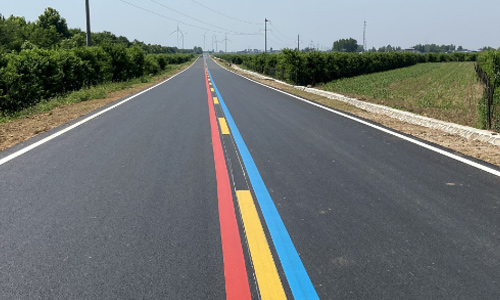
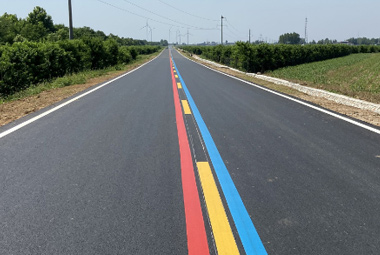
One key safety advantage is its excellent visibility. Two-component paints can hold reflective glass beads more effectively, ensuring lane lines and symbols remain highly visible at night and in rainy conditions. This helps drivers clearly identify lanes, crossings, and road edges, reducing confusion and the risk of accidents.
Another important benefit is skid resistance. Many two-component road marking paints are designed with anti-slip properties, which provide better tire grip. This is especially important at intersections, pedestrian crossings, and sharp curves where sudden braking or turning is common.
Long service life also contributes to safety. Because the markings last longer and fade less quickly, roads require less frequent repainting. This reduces construction-related disruptions and lowers the risk of accidents caused by temporary or unclear markings.
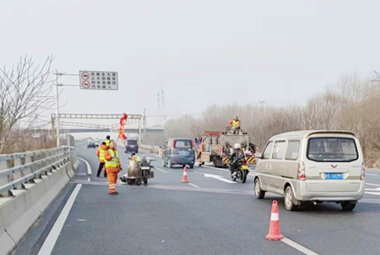
In addition, two-component road marking paint dries quickly and adheres well to different surfaces, allowing roads to reopen faster after application. Overall, its durability, visibility, and safety-focused features make two-component road marking paint a reliable choice for modern traffic management and safer roads.