Why Choose Two-Component Road Marking Paint for High-Traffic Areas?
Two-component road marking paint, often referred to as epoxy-based or thermosetting paint, is a preferred choice for high-traffic areas due to its durability, safety, and cost-effectiveness.
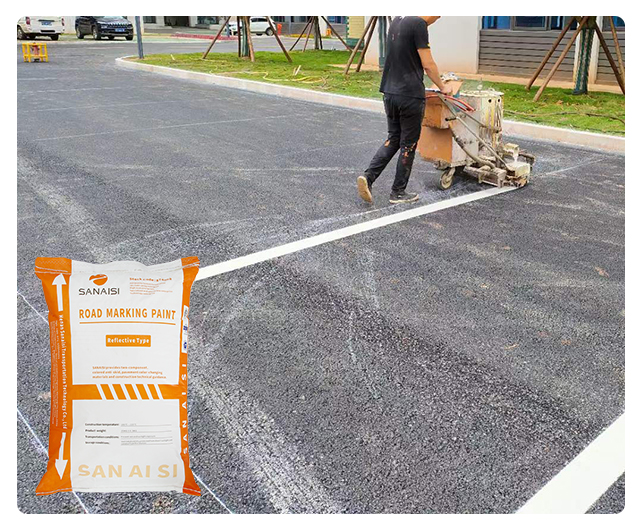
One of the key advantages of two-component paint is its exceptional strength. Unlike one-component paints, which can wear down quickly under heavy traffic, two-component systems offer a much higher resistance to abrasion. This makes them ideal for roads, highways, and intersections that see constant vehicle movement. The paint’s resilience ensures it maintains its visibility and effectiveness for extended periods, reducing the need for frequent touch-ups or repaints.
In addition to durability, two-component paints also provide excellent adhesion to various surfaces, including concrete, asphalt, and metal. This strong bond prevents the paint from chipping or peeling, even under extreme weather conditions or heavy loads. This feature is particularly important in regions with harsh climates, where fluctuating temperatures can degrade lower-quality paints.
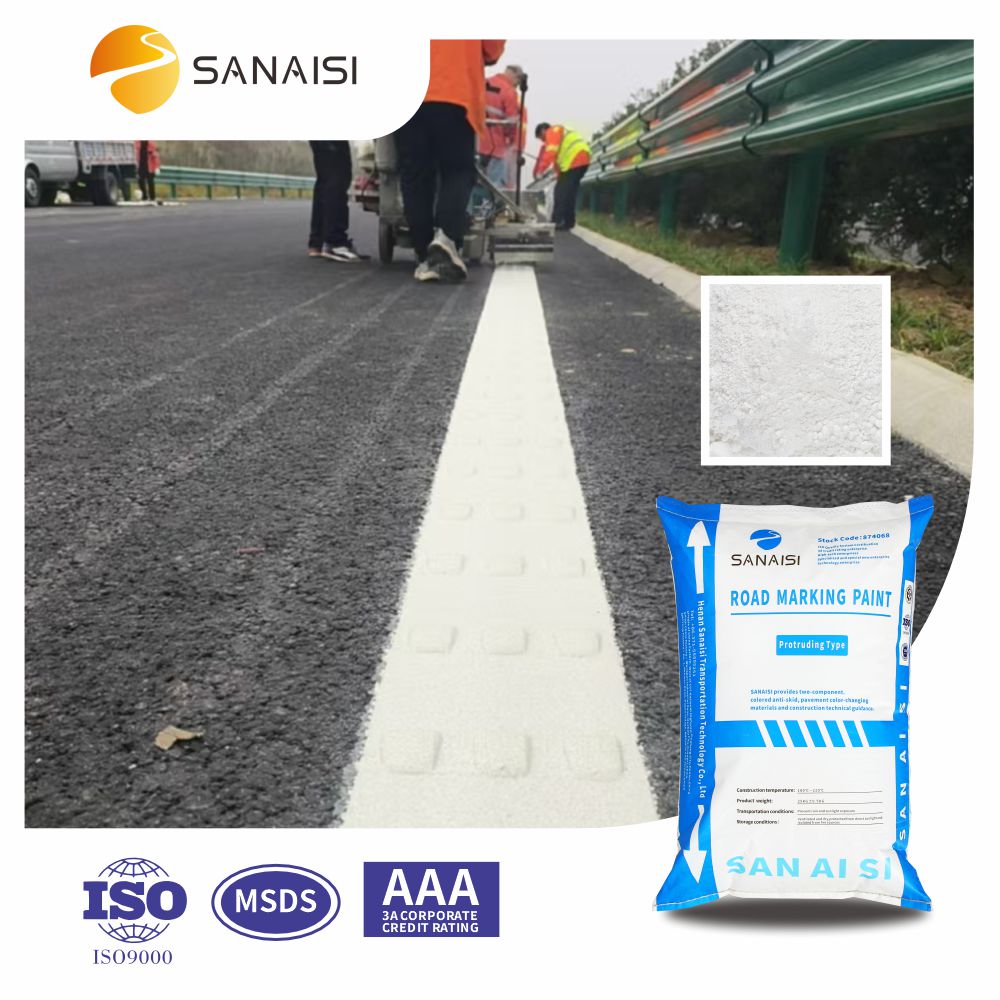
Safety is another crucial factor. Two-component road marking paints are known for their reflective properties, ensuring high visibility during both day and night. This is vital in preventing accidents and improving overall traffic flow. Some formulations even offer enhanced slip resistance, reducing the risk of accidents in wet conditions.
While two-component road marking paint may have a higher initial cost than single-component alternatives, its long-term benefits—such as reduced maintenance, greater durability, and enhanced safety—make it a worthwhile investment for high-traffic areas.
In summary, two-component road marking paint provides a robust, long-lasting solution for road marking, making it the ideal choice for high-traffic zones where durability, safety, and cost-efficiency are top priorities.


.png)
.jpg)