The Environmental Impact of Two-Component Road Marking Paint
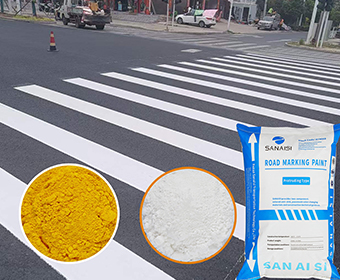
Two-component road marking paint is widely used on highways, city streets, and parking areas because of its durability and strong adhesion. Unlike traditional single-pack paints, it consists of two separate components that chemically react after mixing. This reaction forms a hard, long-lasting coating that can withstand heavy traffic and harsh weather conditions.
One of the main environmental advantages of two-component systems is their longer service life. Because the markings last longer, roads require less frequent repainting. This reduces the overall consumption of raw materials, packaging, and transportation energy over time. In busy urban areas such as New York City and London, where traffic volume is high, longer-lasting markings can significantly lower maintenance-related emissions.
However, environmental concerns still exist. During production and application, some formulations may release volatile organic compounds (VOCs), which contribute to air pollution and smog formation. Regulations set by organizations like the United States Environmental Protection Agency have pushed manufacturers to develop low-VOC or solvent-free alternatives. Many modern two-component paints now use water-based or high-solid formulations to reduce emissions.
Another issue involves microplastic particles generated by wear and tear. As road markings gradually degrade under traffic, small particles can enter nearby soil and waterways. Researchers and environmental agencies are studying more sustainable resins and fillers to minimize this impact.
Overall, two-component road marking paint offers both environmental benefits and challenges. When designed with low emissions and high durability in mind, it can reduce long-term resource use while maintaining road safety. Continued innovation and stricter standards will be key to balancing performance with environmental responsibility.


.jpg)
.jpg)