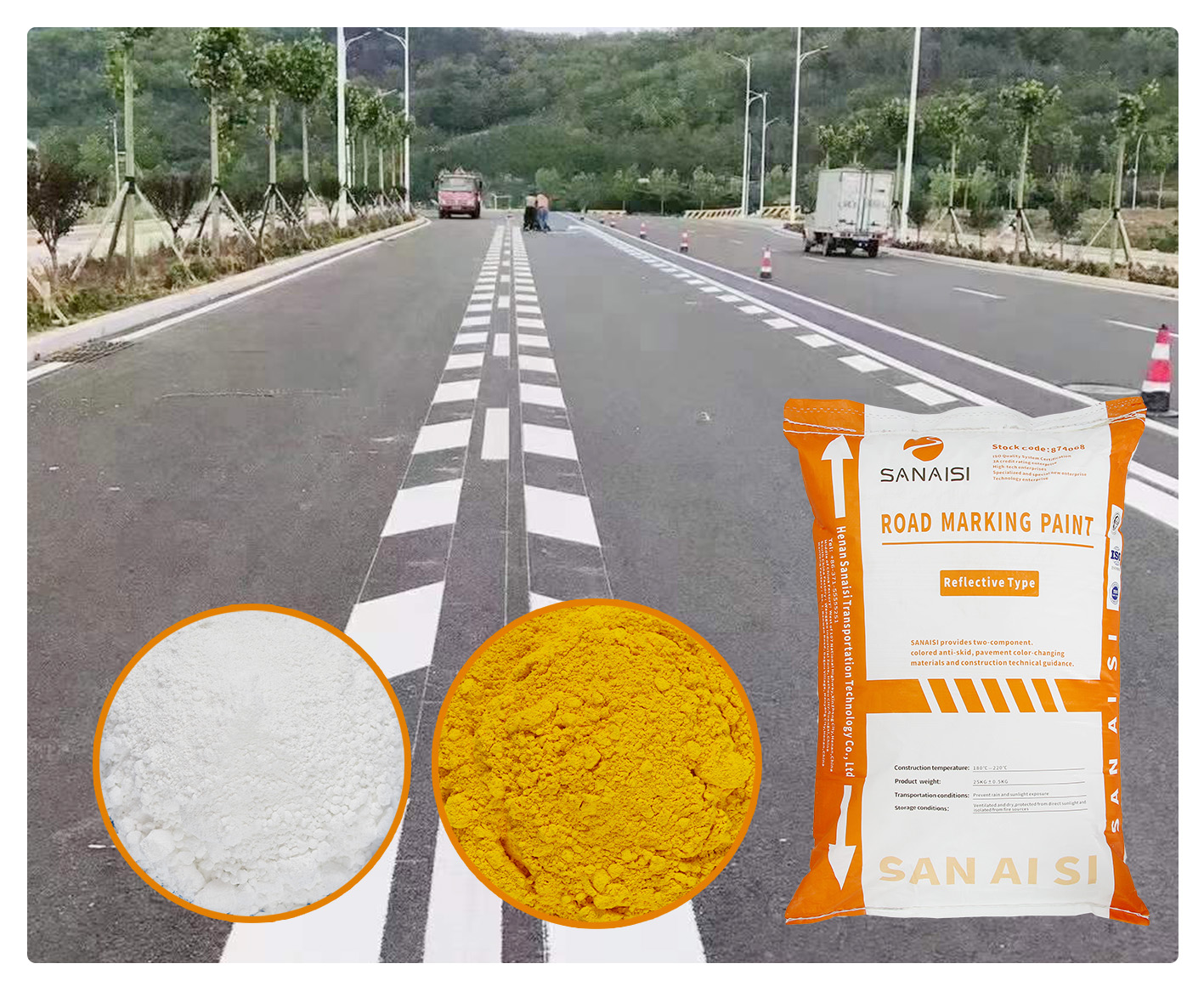
Road Marking Paint Application Process: Step-by-Step Guide
Road marking paint plays a vital role in traffic safety by guiding drivers, cyclists, and pedestrians. A proper application process ensures clear visibility, durability, and compliance with road safety standards. Below is a simple, science-based overview of how road marking paint is typically applied.
1. Surface Inspection and Cleaning
Before painting, the road surface is inspected for cracks, oil stains, dust, or moisture. Any debris is removed using sweeping machines or air blowers. A clean, dry surface helps the paint bond effectively.
2. Layout and Measurement
Marking positions are measured and marked according to traffic regulations. This step ensures accurate line width, spacing, and alignment, which are critical for consistency and legal compliance.
3. Paint Preparation
Road marking paint is thoroughly mixed to achieve uniform color and proper viscosity. Depending on the project, materials may include thermoplastic paint, water-based paint, or solvent-based paint.
4. Application
Specialized equipment, such as road marking machines or spray systems, is used to apply the paint evenly. For enhanced nighttime visibility, reflective glass beads are often dropped onto the wet paint surface.
5. Drying and Curing
Drying time varies based on paint type, weather, and road conditions. Fast-drying paints are commonly used to minimize traffic disruption.
6. Final Inspection
Once dry, markings are checked for clarity, thickness, and adhesion. Any defects are corrected promptly.
By following these steps, road markings remain visible, durable, and effective, contributing to safer and more organized traffic systems.


.jpg)