What Is Road Marking Paint Made Of? Composition and Performance Explained
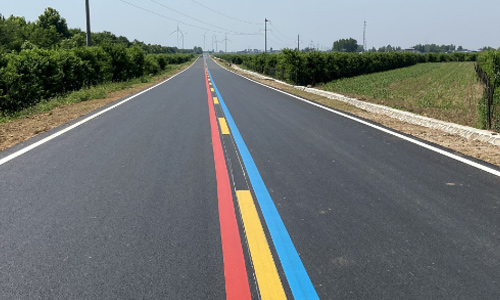
Road marking paint plays a critical role in traffic safety by guiding drivers, cyclists, and pedestrians. Although it may look simple, its formulation is carefully designed to balance visibility, durability, and environmental performance.
At its core, road marking paint is made up of four main components: binders, pigments, fillers, and additives.
Binders act as the “glue” that holds the paint together and allows it to adhere to the road surface. Common binders include acrylic resins, alkyd resins, and epoxy or polyurethane systems for high-performance applications. The choice of binder largely determines the paint’s durability, flexibility, and resistance to wear.
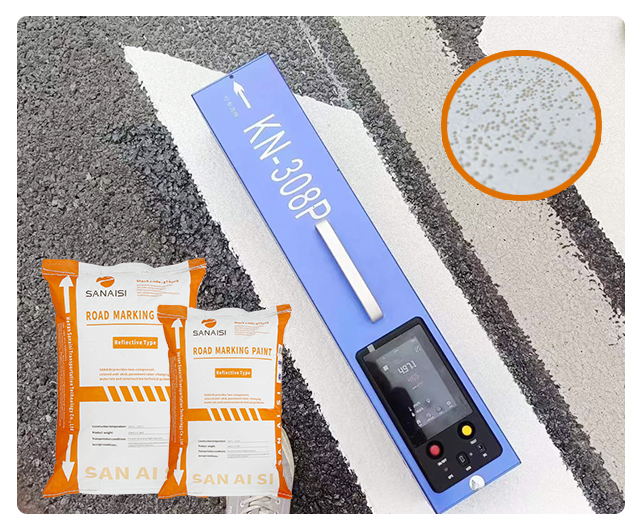
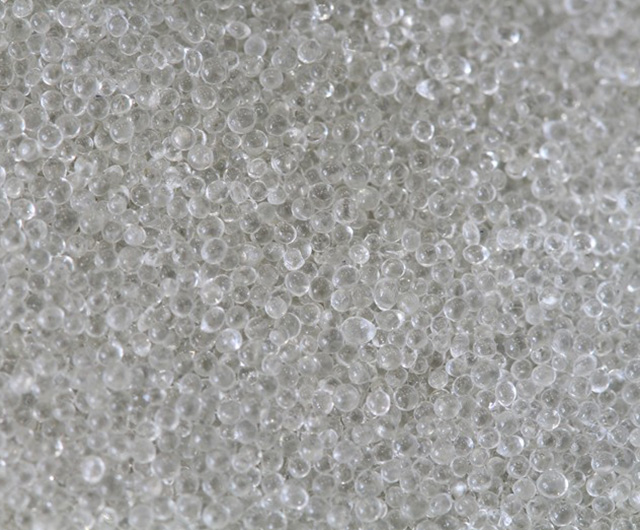
Pigments provide color and visibility. Titanium dioxide is widely used for white markings because of its excellent brightness and reflectivity, while yellow markings often rely on organic or inorganic yellow pigments. For night visibility, glass beads are added either within the paint or sprinkled on top to create retroreflectivity when headlights shine on them.
Fillers, such as calcium carbonate or silica, help control thickness, texture, and cost. They also improve skid resistance, which is essential for vehicle and pedestrian safety, especially in wet conditions.
Additives fine-tune performance. These may include anti-settling agents, UV stabilizers, drying accelerators, and anti-skid materials. In water-based paints, additives also help improve flow and drying time.
Performance depends on how these components work together. High-quality road marking paint should dry quickly, resist abrasion and weathering, maintain color over time, and remain visible day and night. Modern formulations increasingly focus on low-VOC and water-based systems to meet environmental regulations while still delivering reliable performance.
In short, road marking paint is a carefully engineered material designed to keep roads safe, clear, and durable under constant traffic stress.


.jpg)
.jpg)