From Emergency to Long-Term: Advantages of Asphalt Cold Mix for Pavement Repairs
Asphalt cold mix is gaining popularity as a versatile solution for road repairs. Traditionally used for emergency fixes, it has proven to be an efficient material for both temporary and long-term pavement restoration. But what makes it stand out? Let’s break it down.
Convenience and Flexibility
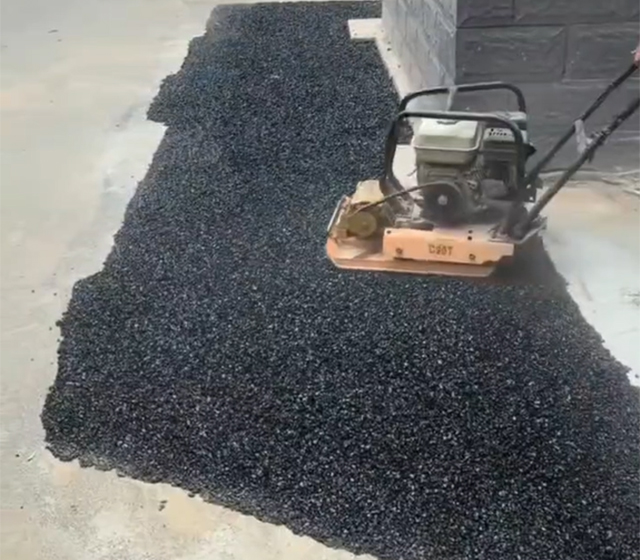
One of the key advantages of asphalt cold mix is its ease of use. Unlike hot asphalt, it doesn’t require heating, which means it can be applied quickly without the need for specialized equipment. This feature makes it ideal for emergency repairs, such as filling potholes or cracks during adverse weather conditions, where hot mix is impractical.
Cost-Effective and Time-Saving
Cold mix asphalt is often more affordable than its hot counterpart due to its simpler application process. Since it doesn't require a heating process, the overall labor and equipment costs are lower, making it an economically viable option for both immediate and routine repairs. Moreover, it saves time by allowing workers to complete repairs faster.
Durability and Longevity
Though initially thought of as a temporary fix, asphalt cold mix has proven to be durable over time. Modern formulations are designed to withstand varying weather conditions and heavy traffic loads. With proper application, it can provide a long-lasting solution, reducing the need for frequent repairs.
Environmental Impact
Asphalt cold mix is also more environmentally friendly. It can be produced using recycled materials, which reduces the consumption of new resources and lowers the overall environmental footprint of road maintenance.
In conclusion, asphalt cold mix is a reliable, cost-effective, and sustainable choice for both immediate and long-term road repairs, providing a practical solution for keeping our roadways safe and functional.