What is Two-Component Road Marking Paint and How Does It Work?
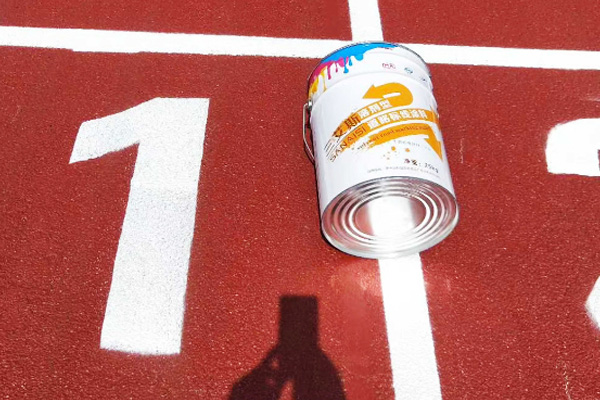
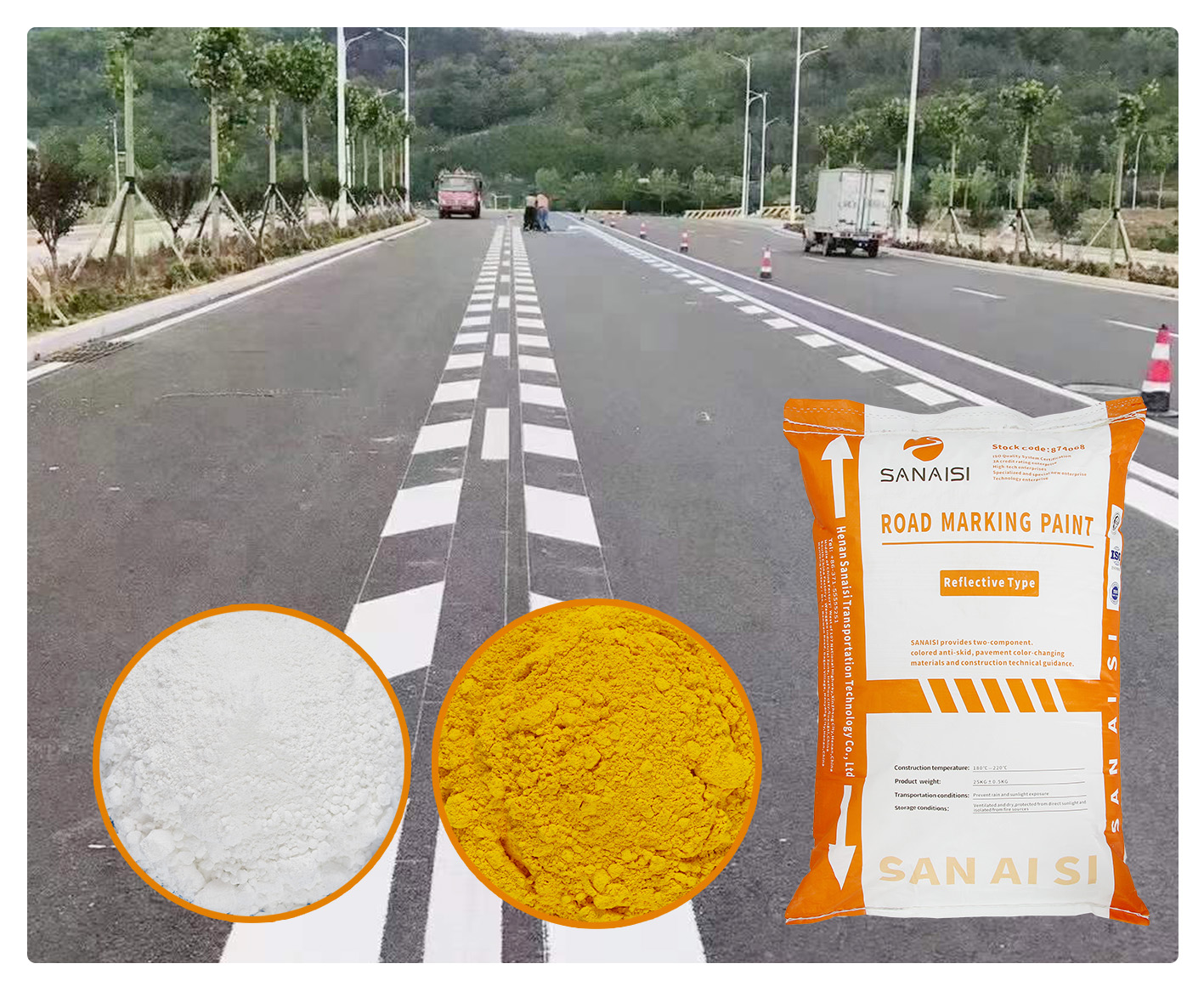
Two-Component Road Marking Paint is a specialized type of paint used for road markings, designed to ensure visibility, durability, and safety. This paint is composed of two main components: a base paint and a hardener or curing agent. These components are mixed together before application, triggering a chemical reaction that enables the paint to harden and bond effectively to road surfaces.
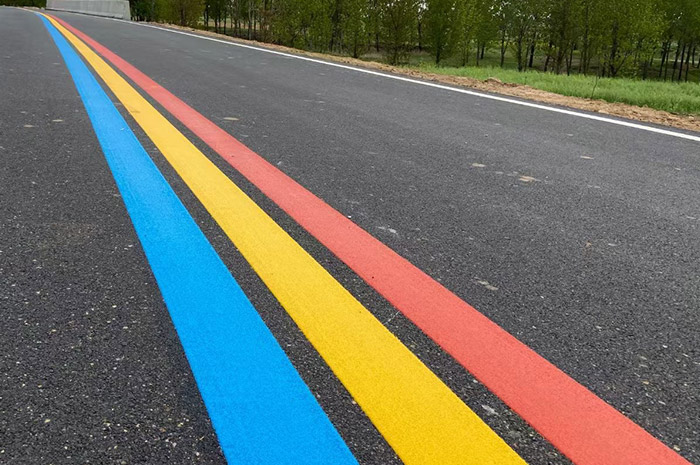
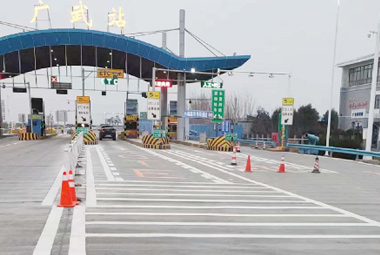
The key benefit of this system lies in its strength and long-lasting nature. Once the base and hardener are combined, they react to form a tough, weather-resistant layer that can withstand heavy traffic, UV radiation, and harsh weather conditions. This makes it ideal for marking lanes, pedestrian crossings, and other important road symbols that need to be visible for extended periods.
Two-Component Road Marking Paint is commonly applied using specialized machines, which ensure the paint is evenly distributed and adheres properly to the surface. The mixture sets quickly, which reduces traffic disruption during road marking operations. Once dry, the markings are bright and clear, helping to guide drivers and pedestrians safely.
Additionally, these paints are often reflective, incorporating glass beads or other reflective materials to enhance visibility at night or in low-light conditions. This contributes to road safety, especially in areas with high traffic or poor lighting.
In summary, Two-Component Road Marking Paint offers a highly durable and effective solution for creating long-lasting, visible road markings. It combines the advantages of fast curing, high durability, and enhanced visibility, making it a preferred choice for road maintenance and construction projects.