Main Types of Road Marking Paint: Thermoplastic, Water-Based, and MMA
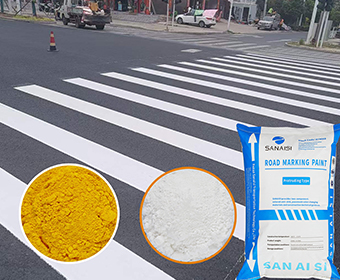
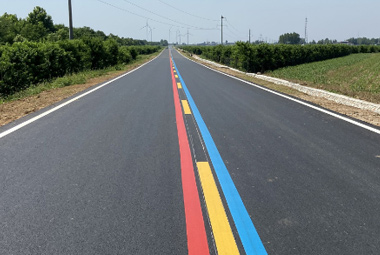
Road marking paint plays a critical role in traffic safety by guiding drivers, cyclists, and pedestrians. Among the many options available, three types are most commonly used worldwide: thermoplastic, water-based paint, and MMA (methyl methacrylate). Each has its own features and ideal applications.
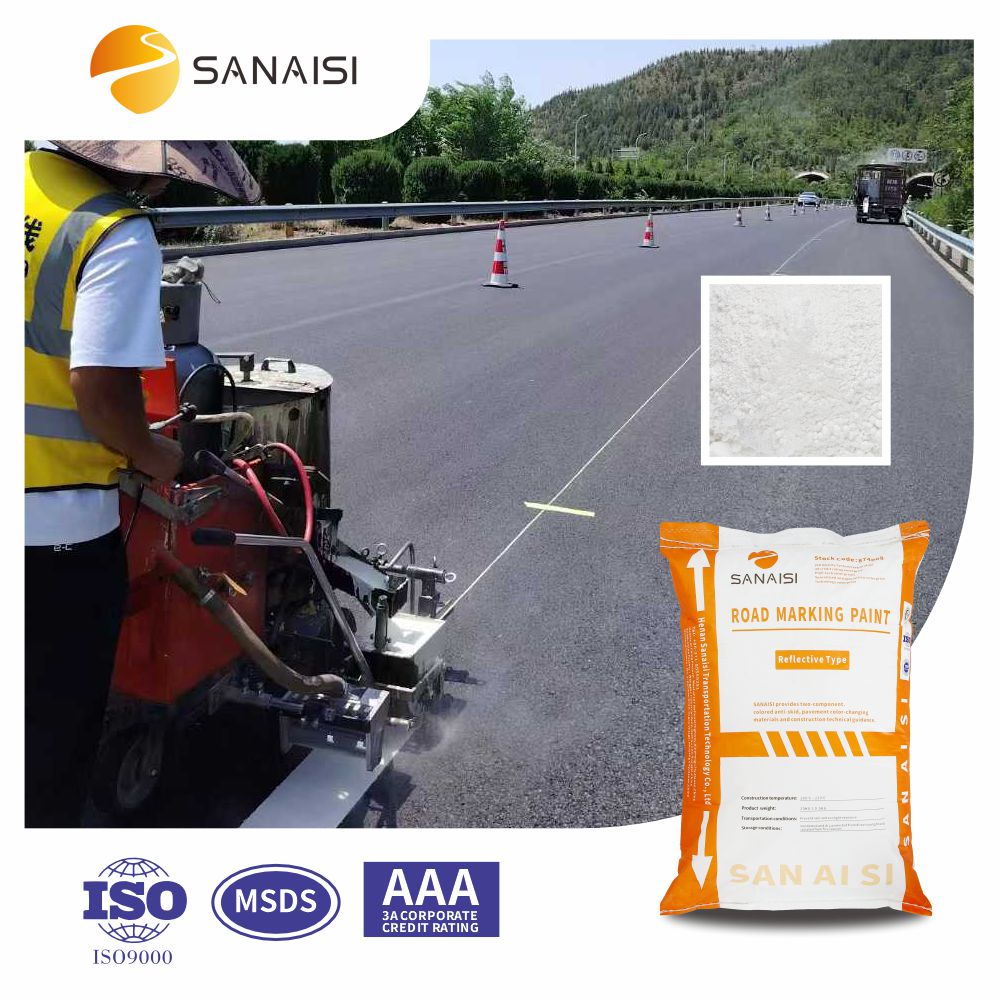
Thermoplastic road marking paint is widely used on highways and busy urban roads. It is applied in a molten state and hardens quickly as it cools. Thermoplastic markings are known for their high durability, strong adhesion, and excellent night visibility when combined with glass beads. They can last several years under heavy traffic, making them a cost-effective choice for long-term projects.
Water-based road marking paint is popular for its environmental benefits. It contains low levels of volatile organic compounds (VOCs), making it safer for both workers and the environment. This type of paint dries relatively fast and is easy to apply, which makes it suitable for city streets, parking lots, and temporary markings. However, its wear resistance is lower compared to thermoplastic and MMA, so it requires more frequent maintenance.
MMA road marking paint offers exceptional performance in demanding conditions. It cures quickly, even in cold or humid environments, and provides strong adhesion to various surfaces such as asphalt and concrete. MMA markings are highly durable and resistant to chemicals and abrasion, making them ideal for intersections, airports, and industrial areas. The main drawback is its higher cost and more complex application process.
Choosing the right road marking paint depends on traffic volume, climate, budget, and environmental requirements. Understanding these three main types helps ensure safer and more efficient road systems.