What Is Road Marking Paint? Types, Uses, and Basic Working Principles
Road marking paint is a specialized coating used to create visible lines, symbols, and signs on road surfaces. These markings guide drivers and pedestrians, helping maintain traffic order and improve road safety in both urban and highway environments.
Types of Road Marking Paint
There are several common types of road marking paint, each designed for specific conditions:
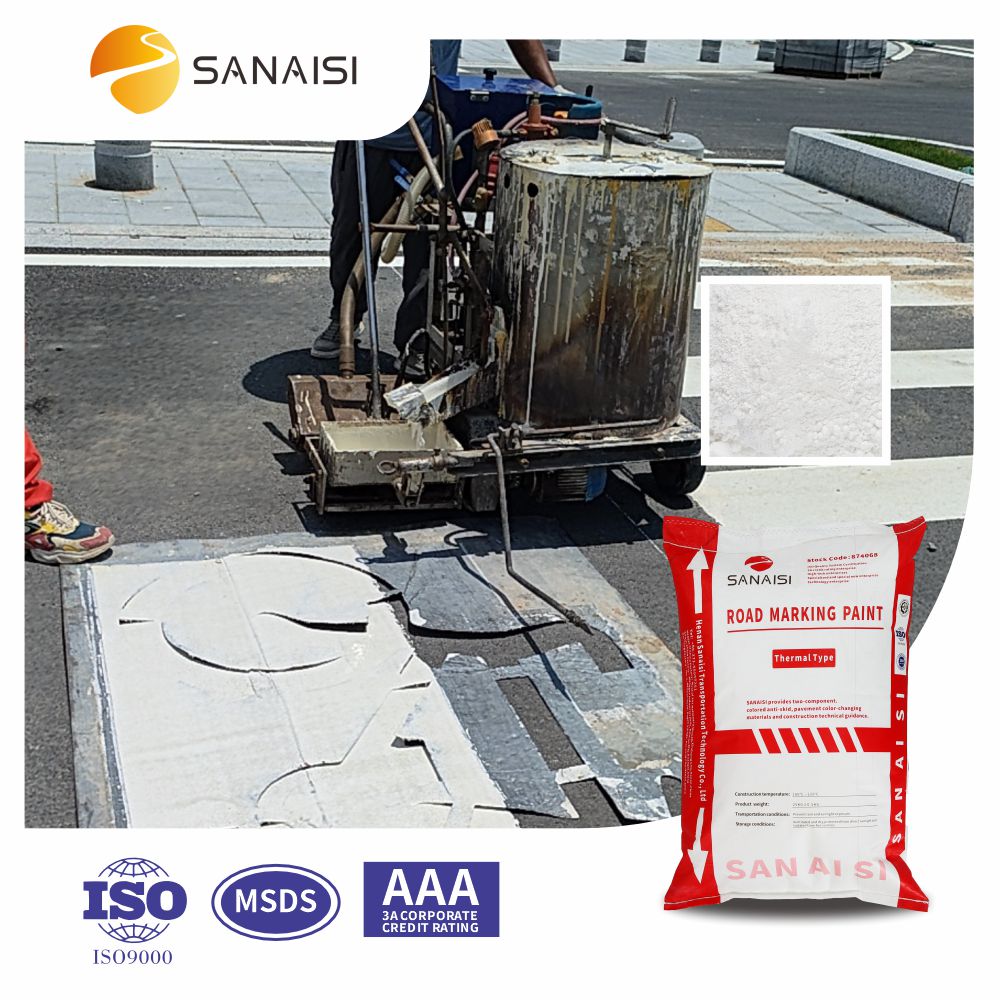
Thermoplastic road marking paint is applied in a molten state and hardens quickly after cooling. It is widely used on highways due to its durability and strong reflectivity.
Water-based road marking paint uses water as a solvent, making it more environmentally friendly and suitable for urban roads with lower traffic volumes.
MMA (Methyl Methacrylate) road marking paint offers fast curing and excellent adhesion, even in low-temperature conditions.
Uses of Road Marking Paint
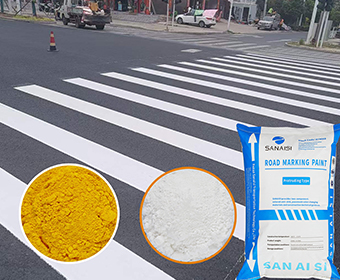
Road marking paint is used to create lane lines, pedestrian crossings, arrows, stop lines, and warning symbols. These markings help drivers understand traffic rules, maintain lane discipline, and react quickly to road conditions, especially at night or in bad weather.
Basic Working Principles
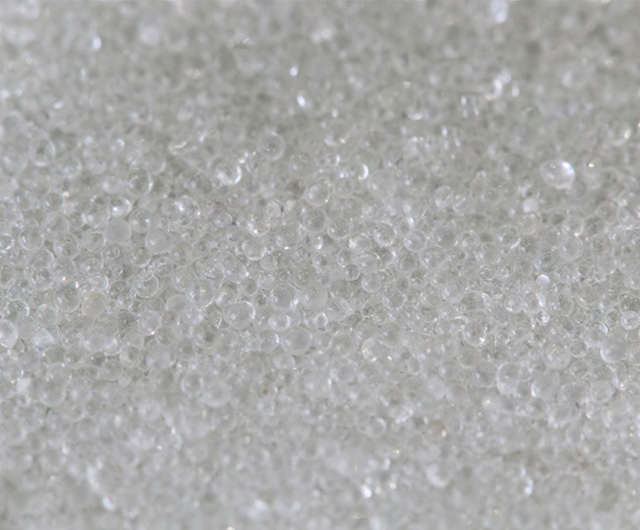
The performance of road marking paint relies on two key principles: visibility and durability. Pigments provide color contrast, while glass beads embedded in the paint reflect vehicle headlights, improving night visibility. Binders ensure strong adhesion to the road surface, allowing markings to withstand traffic wear and environmental exposure.
In summary, road marking paint plays a critical role in modern traffic management by combining material science with practical safety design.


.jpg)