Automated Road Marking Technology: The Key to Future Traffic Management
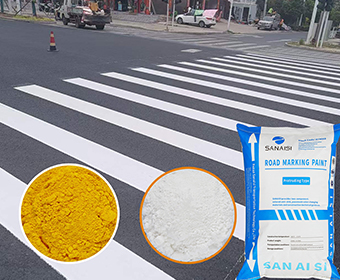
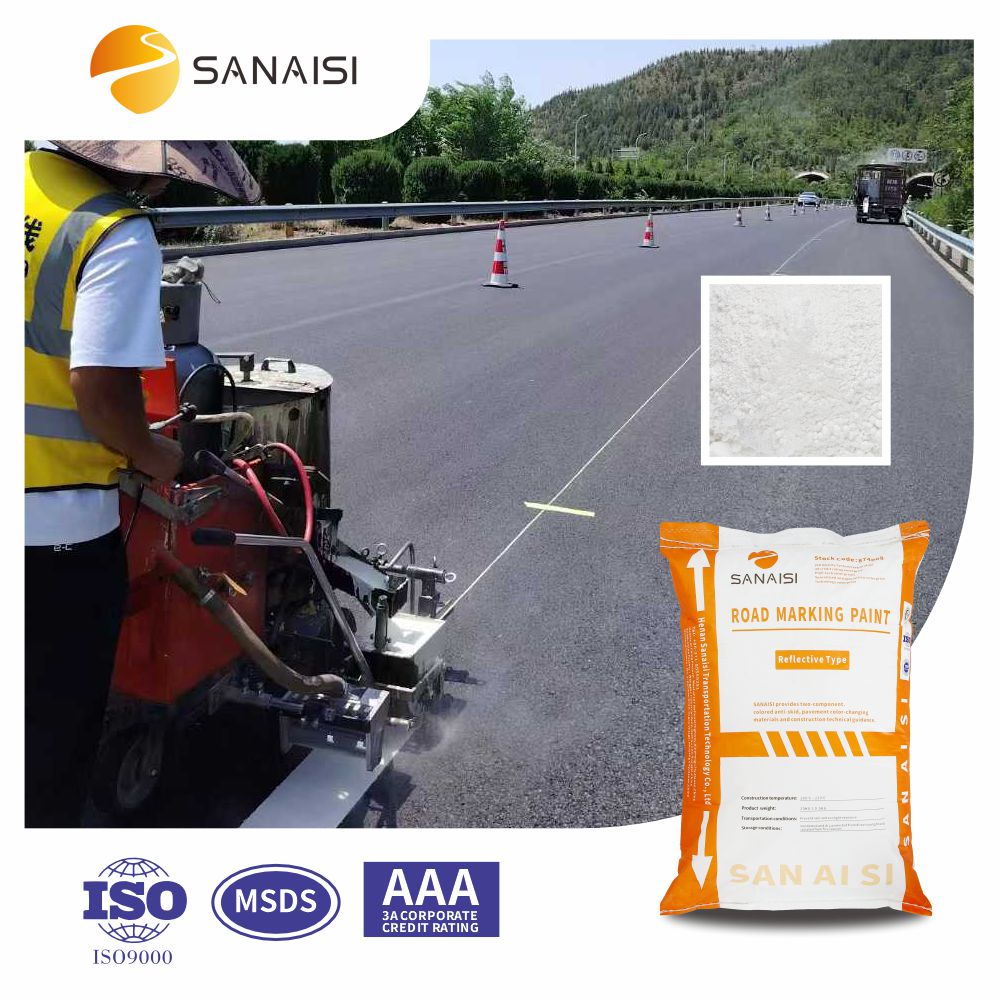
As urbanization continues to grow, so does the need for efficient and safe transportation systems. One of the emerging innovations in traffic management is automated road marking technology. This cutting-edge solution involves the use of machines and advanced software to precisely apply road markings, such as lane lines, pedestrian crossings, and directional arrows, without the need for manual labor.
The benefits of automated road marking are clear. First, it significantly improves the accuracy and consistency of road markings. Traditional methods can lead to errors or uneven markings, which may confuse drivers and increase the risk of accidents. Automated systems, however, ensure that markings are applied with high precision, enhancing road safety for all users.
Moreover, this technology is faster than manual methods. It can cover large areas in a short amount of time, reducing traffic disruptions during the road marking process. This is particularly important in busy urban areas, where roadwork often causes congestion.
Another advantage of automated road marking technology is its potential to integrate with smart city infrastructure. As cities become smarter, connected systems can monitor traffic flow, detect road wear, and even predict when road markings need to be repainted. This predictive approach not only reduces maintenance costs but also ensures that road safety remains a top priority.
In conclusion, automated road marking technology is a vital component of future traffic management. It offers a safer, more efficient, and sustainable way to maintain and update road markings, contributing to the overall improvement of transportation networks.